
Fresh turmeric root and ginger botanical macro photograph
Reference Sheet Vol. 01 — Quality & Purity

Understanding Quality Standards in Natural Supplements

In a market flooded with options, the ability to distinguish between high-quality supplements and inferior products is an essential skill. Purity, consistency, and transparency are the three pillars of a supplement worth your trust. This guide outlines the standards we value and walks you through reading labels like an expert.

03
Core Pillars
Purity · Consistency · Transparency
08
Standards Covered
From sourcing to label literacy
GMP
Manufacturing
Good Manufacturing Practices
100%
Label Transparency
What we advocate for every product
VitalPria — Jakarta Quality Reference Sheet — Men's Natural Wellness v.01 / 2026

Section 01 — Foundation

Three Pillars of a Supplement Worth Your Trust

Purity, consistency, and transparency form the foundation we use to evaluate every product on this site. When all three hold up, you know exactly what you are putting into your body.

01

Purity

A clean formula contains exactly what the label promises and nothing else. We favor products that skip artificial colors, synthetic flavors, and unnecessary fillers like magnesium stearate or titanium dioxide — additives that add no nutritional value and can sometimes interfere with how well your body absorbs the active ingredients.

02

Consistency

Standardized extracts guarantee that each dose delivers a specific, measured amount of a plant's active compounds — ginsenosides in ginseng, curcuminoids in turmeric. Without standardization, the concentration can swing widely from one batch to another, and you never quite know what you are getting.

03

Transparency

Every vitamin, mineral, and herb on the label should be listed with its specific dosage — no "proprietary blends" that hide individual amounts. Full disclosure lets you compare products honestly, dose accurately, and build a routine based on facts rather than marketing copy.

Section 02 — Label Literacy

Reading and Deciphering Labels

Supplement labels can be confusing, often hidden behind "proprietary blends" that do not disclose the amounts of individual ingredients. We advocate for full transparency — where every vitamin, mineral, and herb is clearly listed with its specific dosage.

Natural supplement label on warm paper surface
Label Anatomy — Annotated Reference Diagram
A

Serving Size

The baseline amount the manufacturer bases all nutritional values on. If the serving is two capsules and you take one, every number on the panel is halved for your actual dose.

B

Amount Per Serving

The actual quantity of each nutrient in one serving. Compare this against the recommended daily intake for your age group to gauge whether the dose is meaningful or marginal.

C

Standardized Extract Percentage

Look for notations like "standardized to 5% ginsenosides." This guarantees a specific concentration of the active compound in every dose — the difference between a reliable product and a guess.

D

Other Ingredients

The section where fillers, binders, flow agents, and capsule materials live. Shorter is better — if the excipient list is longer than the active nutrient list, the formula is not as clean as it could be.

E

Proprietary Blend Warning

When all ingredients are lumped under one total weight with no individual breakdowns, the manufacturer is hiding the recipe. You cannot evaluate a dose you cannot see. Choose brands that list each component separately.

Section 03 — Comparison Matrix

What to Look For — and What to Walk Away From

+ Seek These Signs
  • 01

    Individual ingredient dosages printed in full — no proprietary blend concealment.

  • 02

    Standardized extract percentages confirming active compound concentration.

  • 03

    Third-party laboratory verification from a recognized independent testing body.

  • 04

    GMP-certified manufacturing — facilities inspected for clean, consistent production.

  • 05

    Bioavailable nutrient forms — methylcobalamin over cyanocobalamin, mineral chelates over oxide salts.

  • 06

    Sustainable sourcing — ethically harvested botanicals with traceable origins.

Avoid These Patterns
  • 01

    "Proprietary blend" labels that list a total weight but hide each ingredient amount.

  • 02

    Artificial colors, synthetic flavors, and unnecessary flow agents topping the ingredient list.

  • 03

    "Miracle result" claims or aggressive marketing language promising instant changes.

  • 04

    No mention of where ingredients originate or how they were harvested.

  • 05

    Cheaper, poorly absorbed nutrient forms used to cut costs — cyanocobalamin, magnesium oxide.

  • 06

    Pressure tactics — countdown timers, "only X left" stock counters, and fake urgency badges.

Section 04

Bioavailability: Making Every Dose Count

Bioavailability refers to how much of a nutrient actually enters your bloodstream and becomes available for your body to use. Some forms of vitamins are much easier to absorb than others — methylcobalamin versus cyanocobalamin for Vitamin B12, for instance. The form matters as much as the dose.

We guide readers toward choosing the chemical forms of nutrients that offer the highest absorption. That way your body gets the maximum benefit from every capsule or tablet you consume, rather than passing unused compounds through unused.

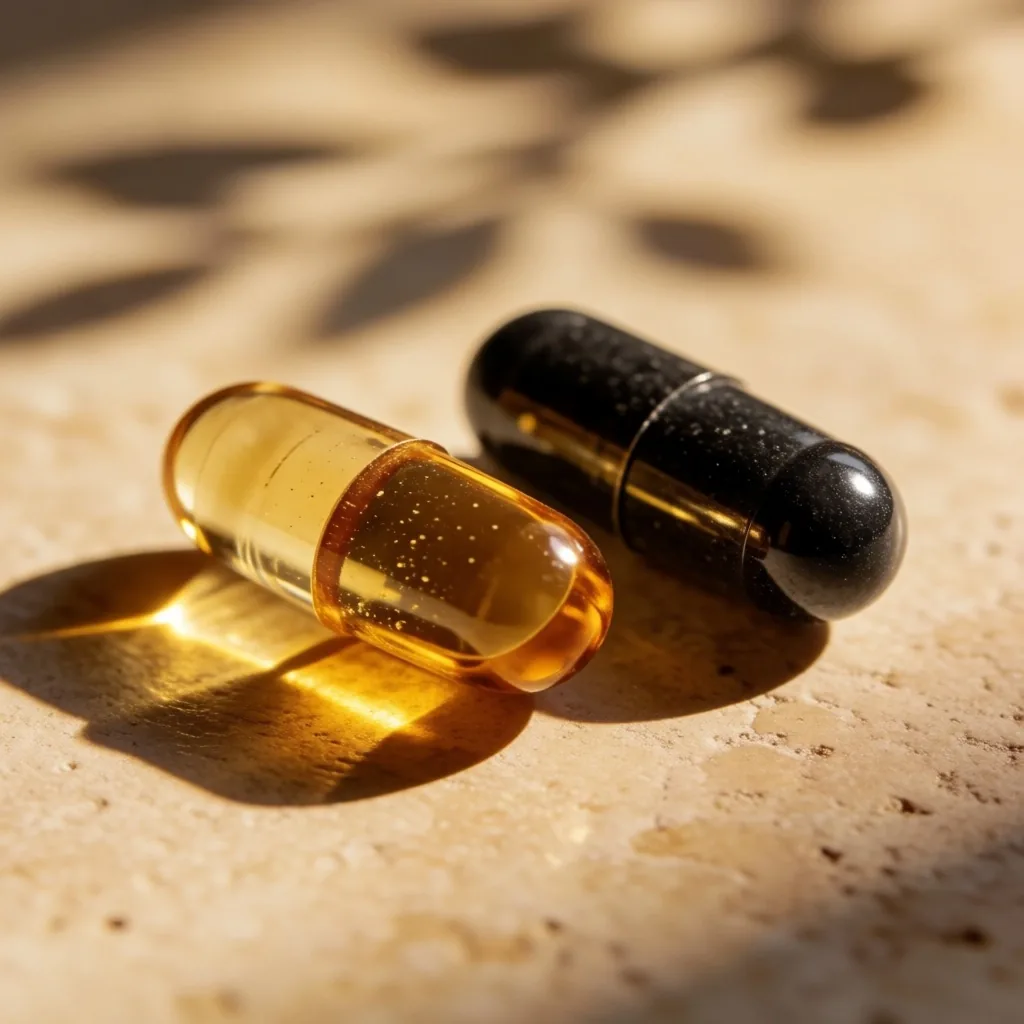
Two types of vitamin supplement capsules on warm stone

Section 05

Manufacturing Excellence

The environment in which a supplement is produced significantly impacts its final quality. We prefer products made in facilities that follow Good Manufacturing Practices — the protocols that ensure a clean, controlled, and consistent production process.

GMP compliance means a facility is regularly inspected and adheres to strict safety standards for cleanliness, documentation, and quality control. This level of oversight is a strong indicator that the brand takes its responsibility to the consumer seriously — and that what is on the label is what is in the bottle.

Clean supplement manufacturing facility interior
B12
Methyl Form Preferred
GMP
Facility Standard
3rd
Party Verification
100%
Label Disclosure

Section 06

Sourcing and Sustainability

Where an ingredient comes from matters just as much as how it is processed. Sustainable sourcing ensures that botanical extracts are harvested in a way that does not deplete the natural environment. Wild-crafted herbs are often richer in active compounds, but they must be gathered ethically — with respect for the ecosystem and the people who depend on it.

By supporting companies that prioritize sustainability, you contribute to a healthier planet while also nourishing your own body with superior ingredients grown and harvested the right way.

Section 07

The Role of Third-Party Testing

The best way to verify a manufacturer's claims is through independent, third-party laboratory testing. These labs check for the presence of heavy metals, microbial contaminants, and the actual concentration of the ingredients — confirming that what the label says matches what is inside.

While not every company invests in this step, those that do demonstrate a higher commitment to consumer safety and product integrity. We encourage looking for seals from reputable testing organizations as a mark of quality you can trust.

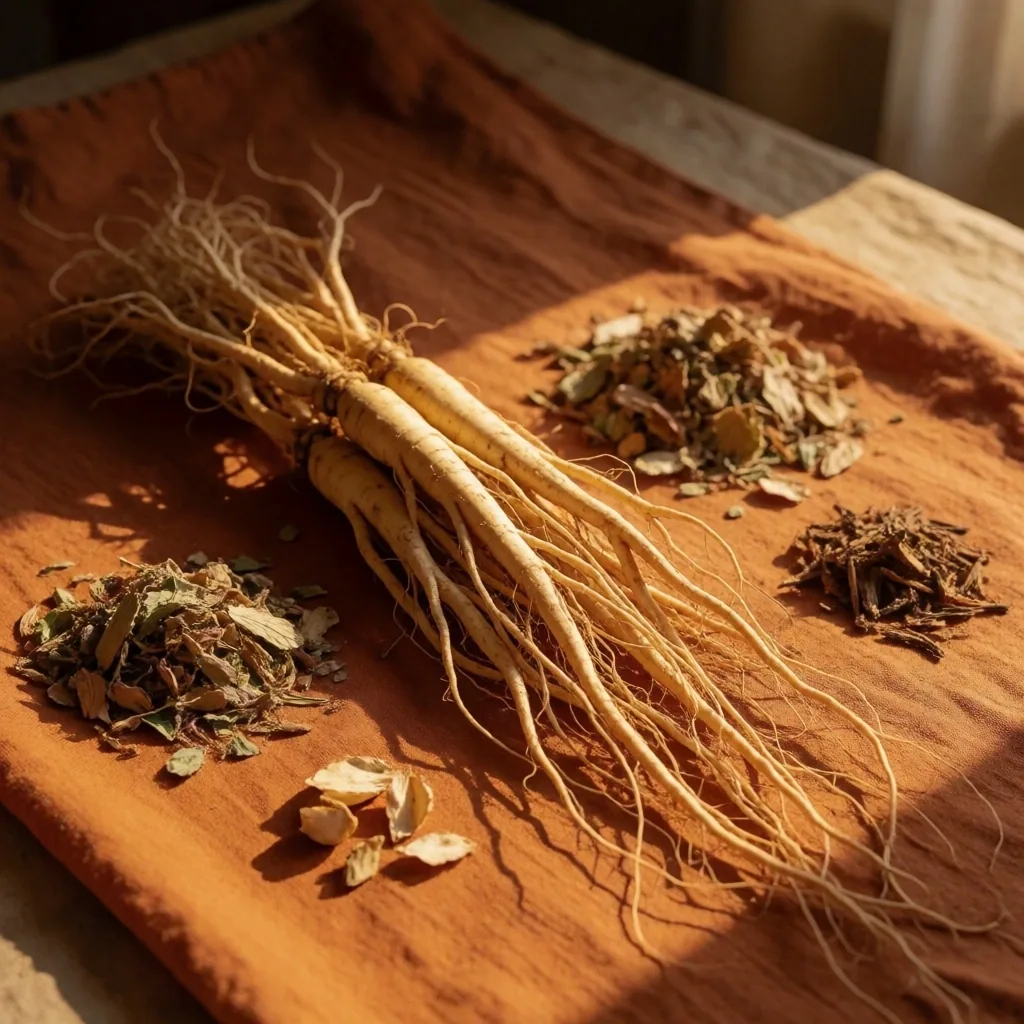
Sustainably harvested ginseng roots and dried herbs

Section 08

Hype Awareness

The Dangers of Fake Urgency and Hype

High-quality wellness brands do not need to rely on "miracle" claims or high-pressure sales tactics. When a product promises instant results or leans on aggressive marketing language, treat it as a warning sign — not a recommendation.

Real wellness improvements take time and a consistent routine. There is no secret formula hiding in a flashy advertisement. By focusing on the science of nutrition and how your body actually processes what you consume, you can avoid the traps of the hype-driven supplement market — and spend your money on products that earn it.

"Limited time only" countdown clocks
"Secret formula" or "ancient breakthrough" framing
Stock scarcity badges that reset on refresh
"Results in 24 hours" guarantees

Common Questions

Questions About Quality Standards

What does "standardized extract" actually mean? +

A standardized extract is a botanical preparation where the manufacturer guarantees a specific percentage of the plant's active compound in every dose. For ginseng, that might mean 5% ginsenosides. For turmeric, 95% curcuminoids. Without standardization, the concentration of active compounds can vary from batch to batch depending on harvest conditions, soil, and processing.

Why are proprietary blends a problem? +

A proprietary blend lists several ingredients under a single total weight without showing how much of each is inside. That makes it impossible to know whether you are getting a meaningful dose of the active compound or a token amount buried in filler. Transparent labels list each ingredient separately with its own milligram count.

How do I know a product was made in a clean facility? +

Look for GMP — Good Manufacturing Practices — certification. GMP-certified facilities are regularly inspected for cleanliness, documentation, and quality control. Some brands also share third-party laboratory test results on their website or by request, which verifies both ingredient identity and the absence of contaminants like heavy metals.

What is the difference between serving size and amount per serving? +

Serving size is the amount the manufacturer recommends taking at one time — say, two capsules. Amount per serving is the quantity of each nutrient contained in that serving. If the label shows 500mg of Vitamin C per serving and the serving size is two capsules, each capsule delivers 250mg. Always check both numbers to dose accurately.

Put These Standards to Work

Now that you know how to read a label and what to demand from a manufacturer, explore our nutrient and herbal guides with a sharper eye. Or reach out with a specific question — we are happy to help you compare products.

Quick Reference Checklist Print & Carry
  • Each ingredient listed with exact milligram dosage
  • Standardized extract percentage clearly printed
  • No proprietary blend concealing amounts
  • Short "other ingredients" list — no unnecessary fillers
  • GMP-certified manufacturing facility
  • Third-party lab test results available on request
  • High-bioavailability nutrient forms preferred
  • Sustainable, traceable ingredient sourcing
  • No "miracle" claims or pressure-style marketing
  • Serving size and amount per serving clearly separated